




SATRA-accredited test lab
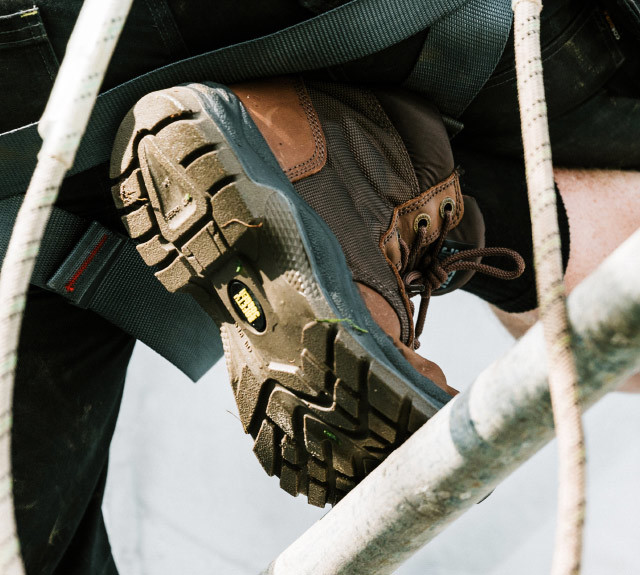
At Safety Jogger Works, we thoroughly test every product in our SATRA-accredited laboratory. Working closely with SATRA, an independent leader in research and testing, we built our lab to the highest standards.
Their expertise in equipment, calibration, test methods, and ongoing training ensures we can consistently evaluate our products and drive continuous improvements in quality, safety, and performance.
Watch the video below to see how we put every safety feature to the test:
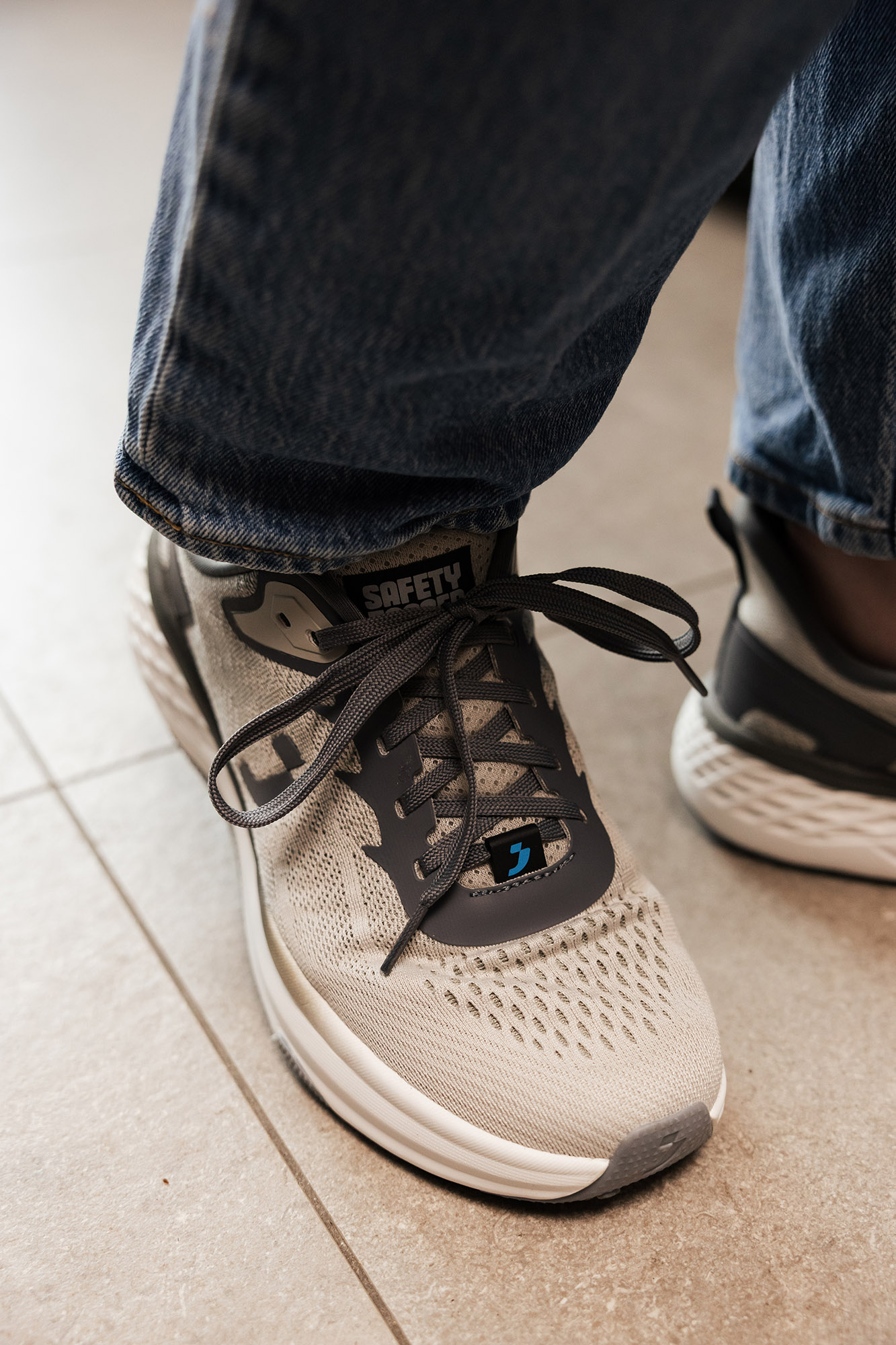
To ensure that the materials used on our shoes meet our quality standards, we test their resistance against abrasion by subjecting the materials to repeated friction and checking material durability.
This test checks how well a fabric resists to wear and friction. The material is rubbed against another piece of the same fabric to see how it holds up to everyday wear.
This test measures the force needed to tear flexible materials. The sample is pulled apart until it tears, revealing the material’s strength and durability under stress.
Shoelaces are tested for durability by rubbing them under tension against other laces or eyelets until they break. This process shows their resistance to friction and ensures long-lasting performance in daily use.
This method measures the water pressure resistance of waterproof fabrics and materials. By applying water pressure to the material until penetration occurs, we can precisely determine its level of water resistance and ensure reliable protection in wet conditions.
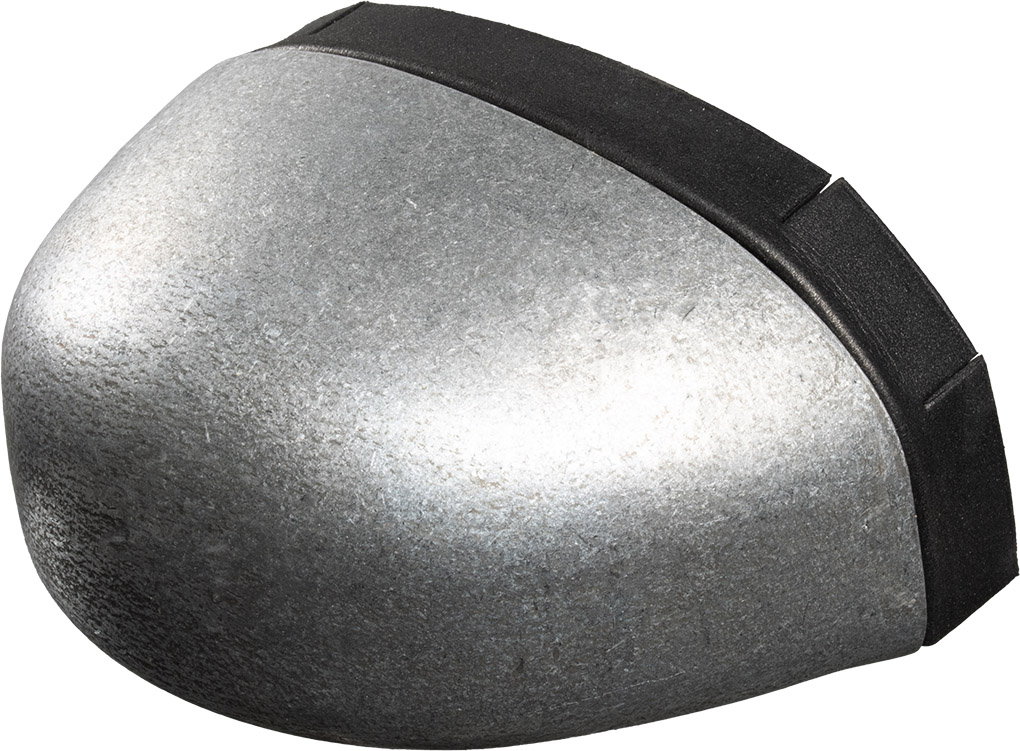
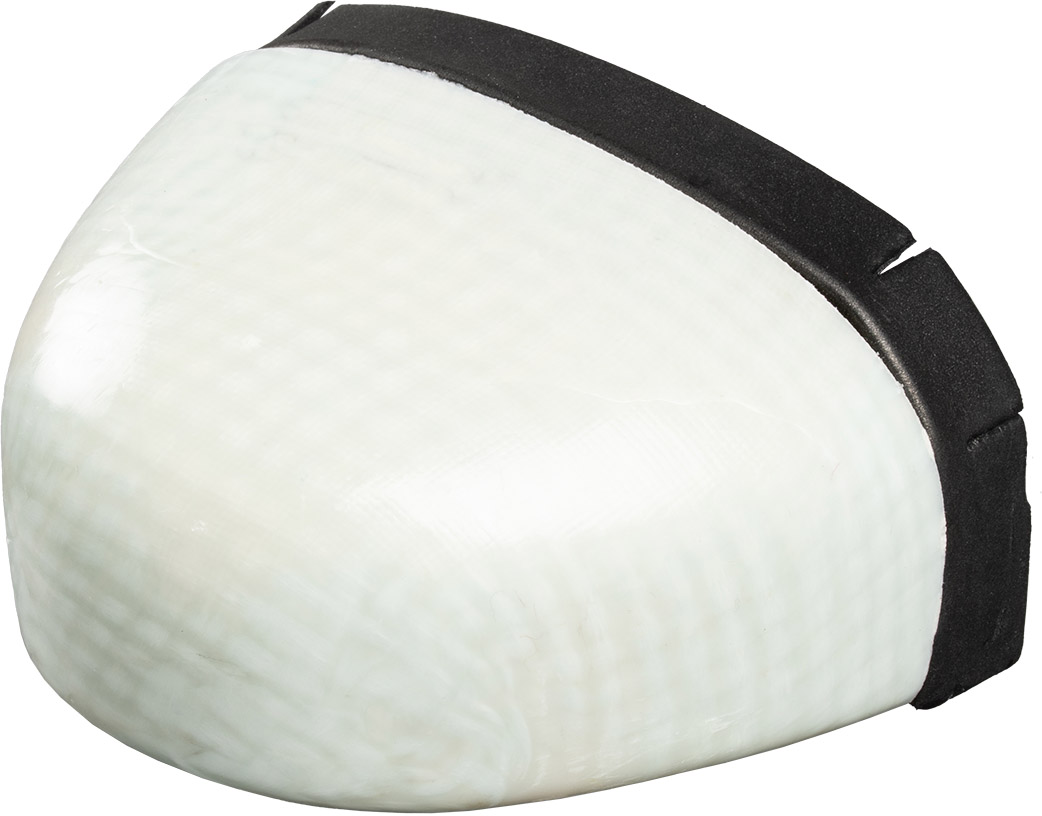
All Safety footwear needs to withstand an impact force of 200 Joules while keeping enough clearance to protect your toes. This is tested by dropping a standardized weight of 20kg on a finished shoe, from a height of 1 meter.
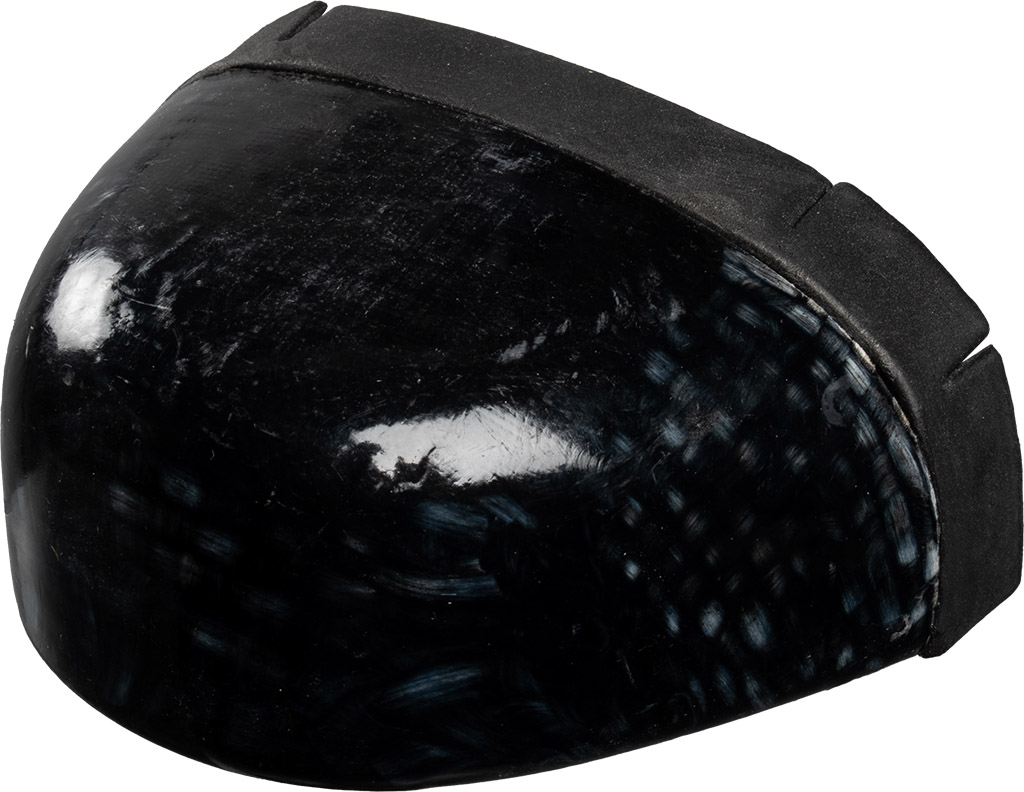
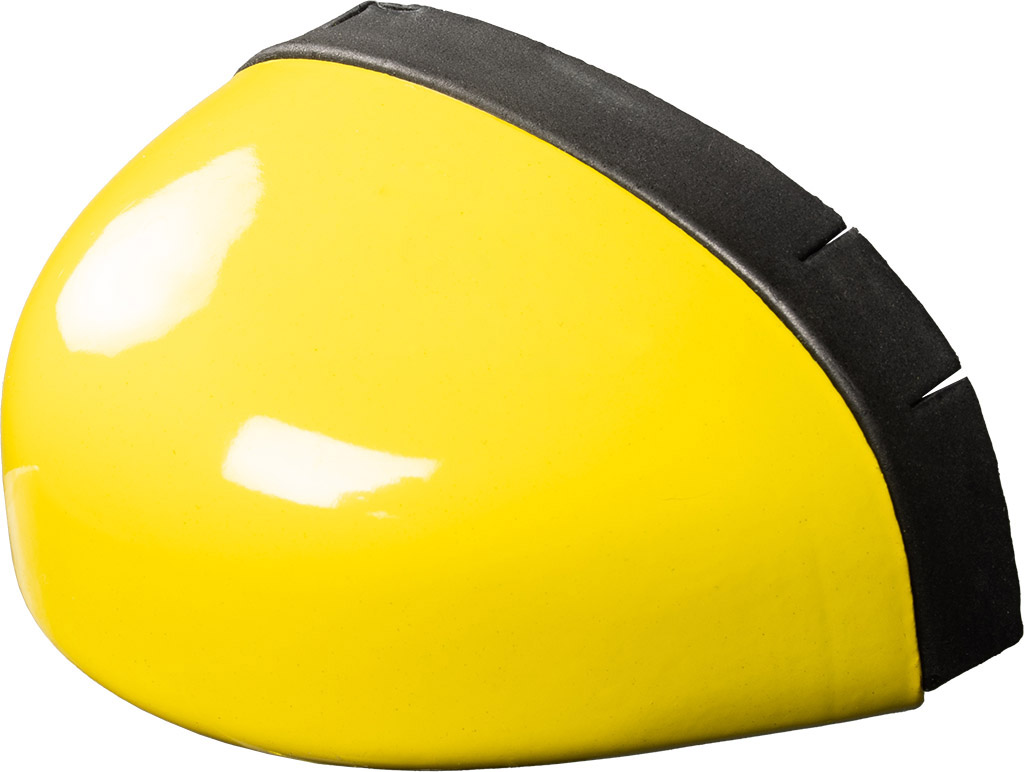
At the component level, toecaps are also tested for compression resistance to ensure protection against heavy loads. During this test, a gradually increasing static compressive force is applied to the toecap until a load of 15 kN (approximately 1.5 tonnes) is reached. This test complements the impact test, verifying the toecap’s overall structural strength and deformation behaviour.
Discover toe cap options: Which toe cap material is the best choice for you? | Safety Jogger
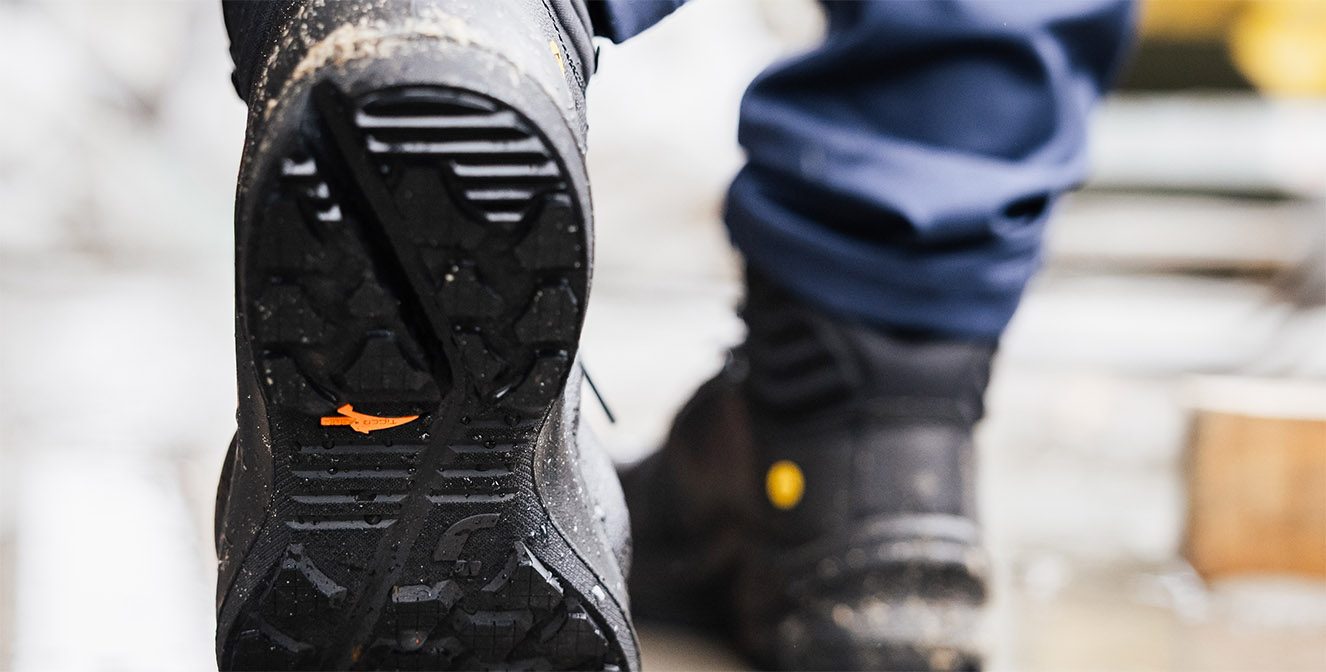
We verify to what degree the outsole material abrades when being used on rough and hard-wearing surfaces, to ensure that the shoes meet both the official standards and our internal quality requirements.
Find out why outsoles can crumble: Hydrolysis, the crumbling of shoe soles explained | Safety Jogger
We evaluate how well the outsole and midsole absorbs energy during impact. Using the EN ISO 20344 5.17 energy absorption test, we measure how effectively the footwear cushions shocks to ensure comfort and reduce fatigue.
The outsole is flexed at a specific speed and angle to assess its flexibility and endurance. This ensures long-lasting performance and comfort during movement.
To ensure maximum grip and avoid accidents due to slipping, we test the friction of our outsoles on different surfaces according to EN ISO 20345:2022. The standard includes:
- Mandatory test (formerly SRA): Resistance test on ceramic surfaces with a soap solution.
- Optional SR rating: Additional test on ceramic surfaces with glycerine for a higher level of slip resistance.
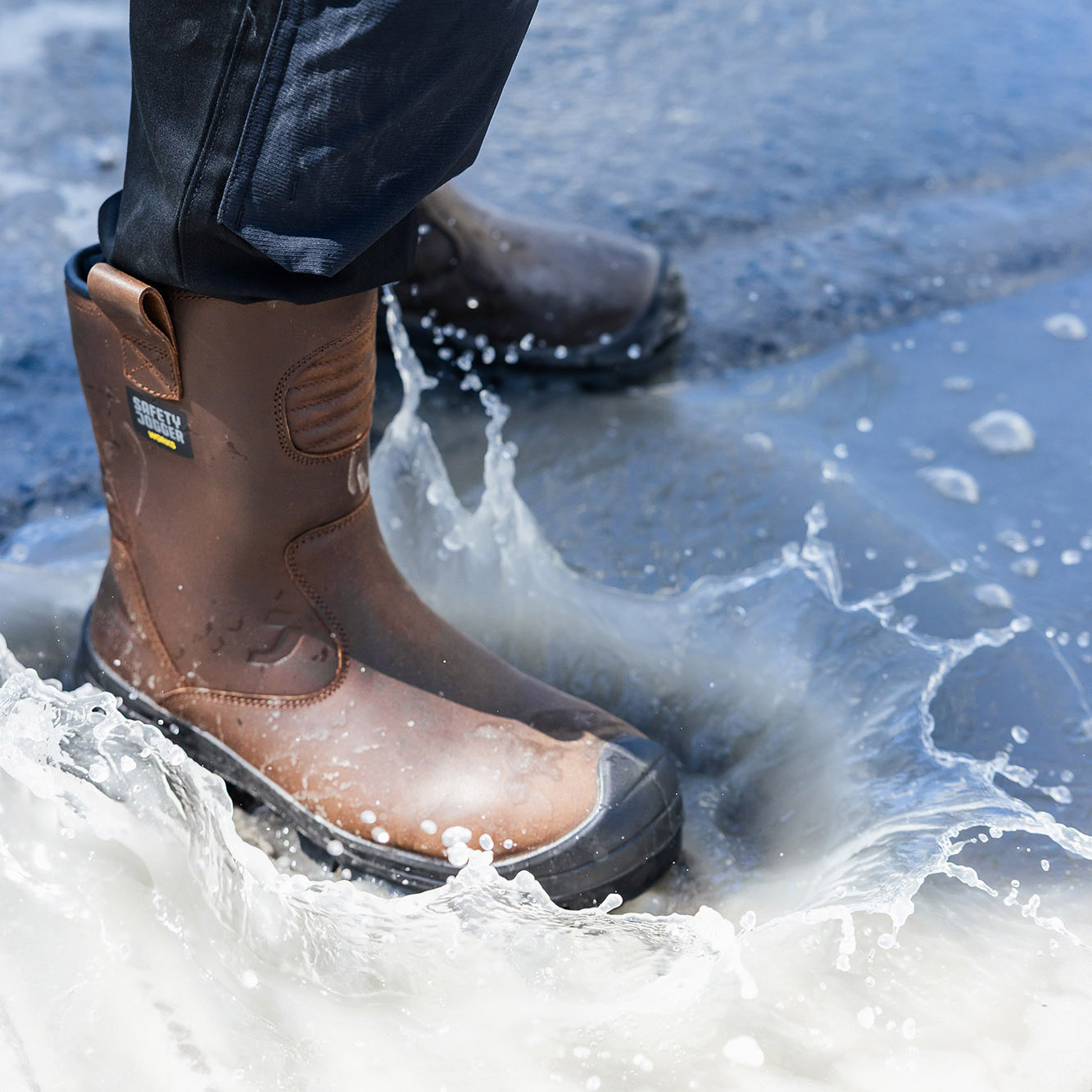
This test measures how well a complete shoe withstands repeated bending during walking. It helps detect weak points such as sole cracks or separation, ensuring durable and comfortable footwear.
Explore waterproof footwear: Waterproof work boots & shoes | Safety Jogger
This test determines if our footwear complies with the electrostatic discharge standards (ESD). ESD footwear protects sensitive electrical equipment by safely controlling the release of static electricity.
More about antistatic and ESD features: ESD vs. antistatic: what is the difference? | Safety Jogger
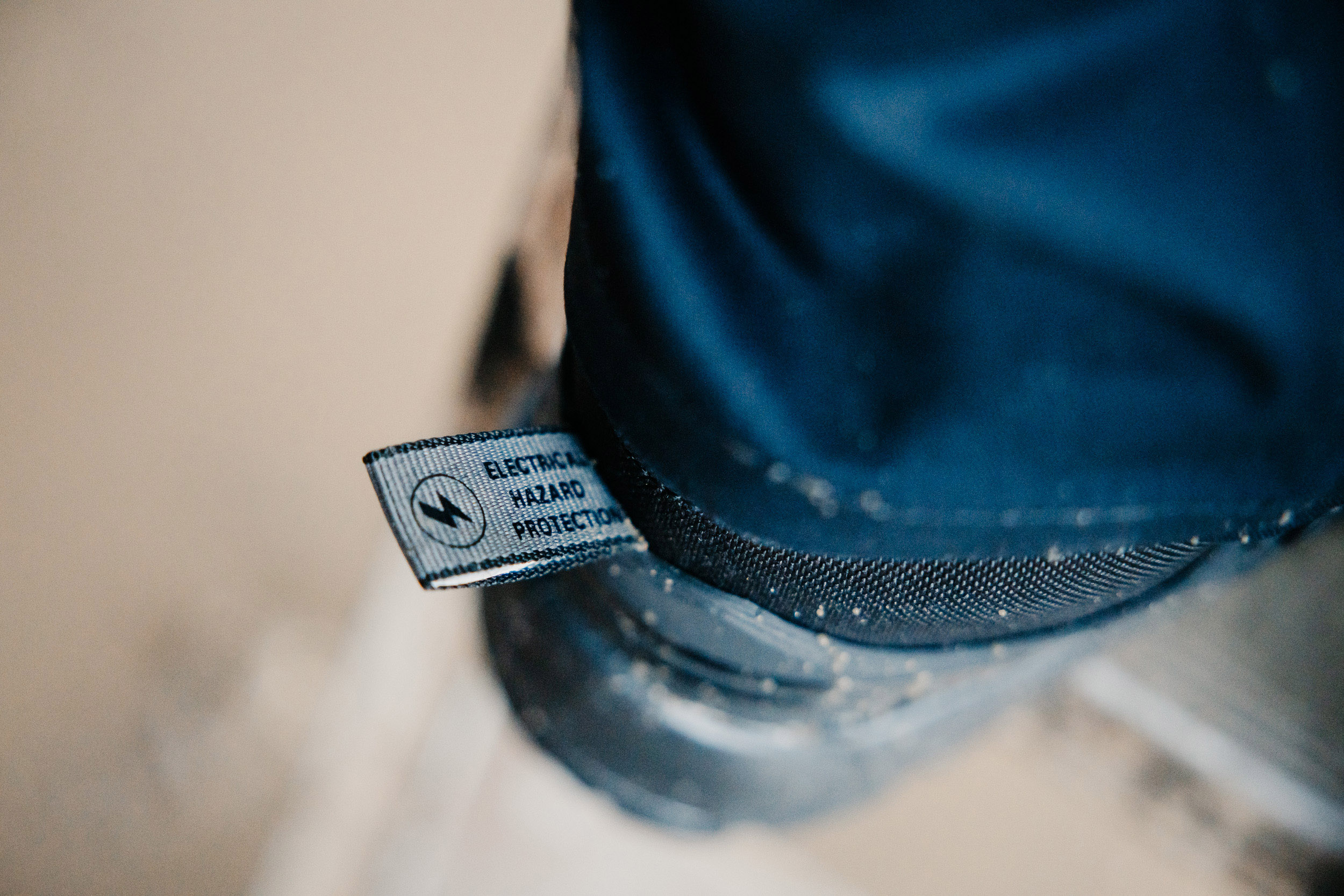
We check if the shoes are electrically insulating to protect the wearer when being subjected to a voltage up to 18kV.
EH ratings explained: What does an EH (Electrical Hazard) rating mean? | Safety Jogger
Grow your business and become a retailer
Safety Jogger is worldwide and always looking for people who trust our brand as much as we do! We have a team of expert’s ready for you to help with questions about our brand, technologies or reselling our products. So, don’t hesitate to fill in this form, we usually get back to you within a day!